
Sale!
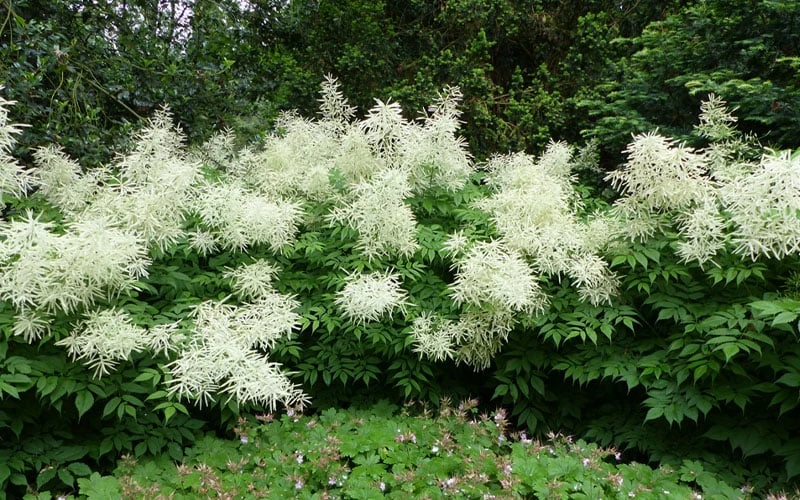
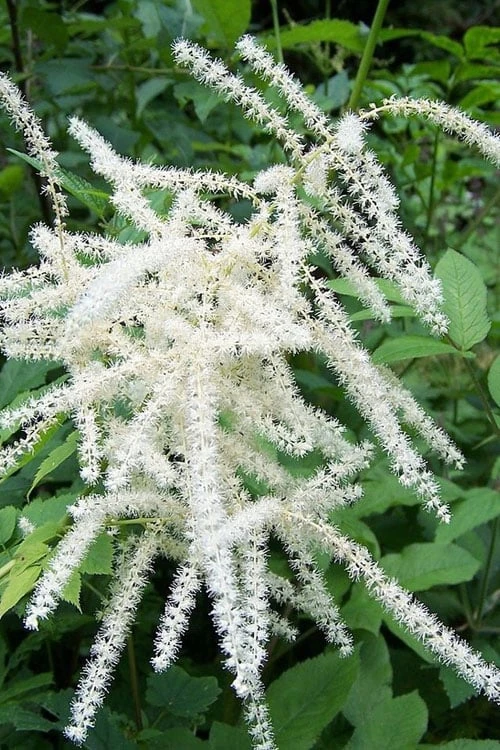
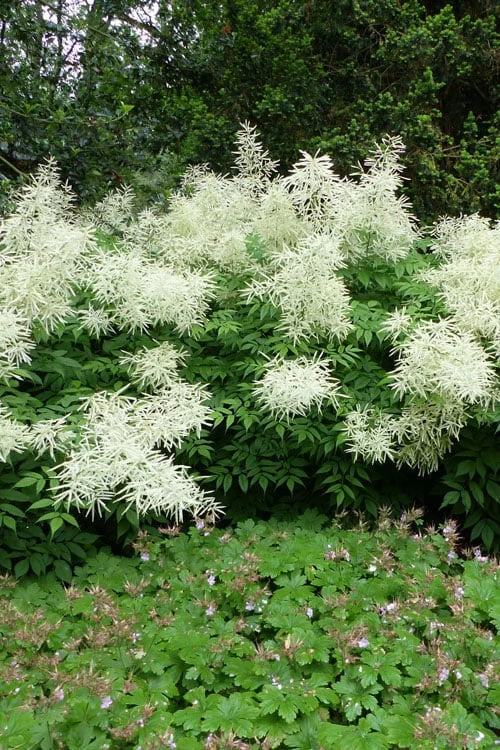
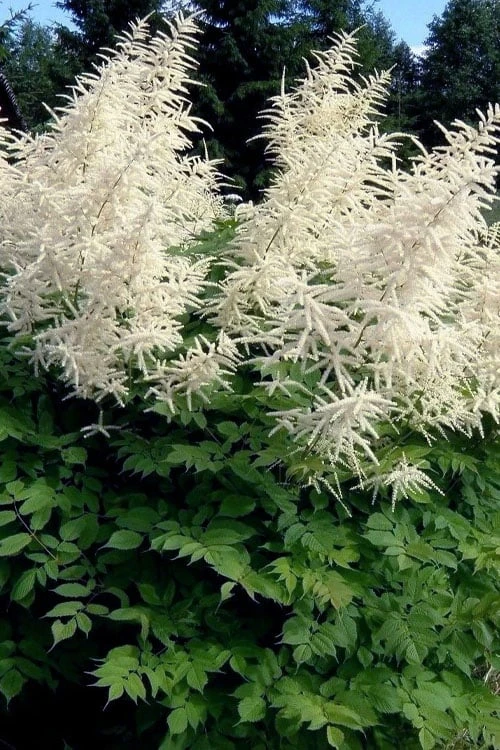
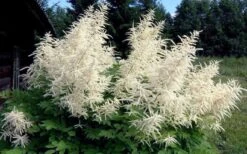
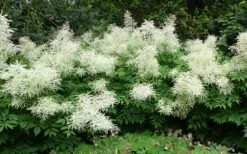
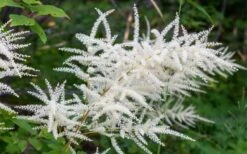
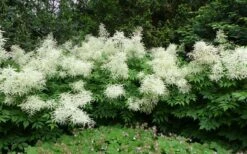
Goat’s Beard (Aruncus Dioicus) – 1 Gallon Pot
Original price was: $36.97.$25.88Current price is: $25.88.
- Unbeatable quality, unbeatable prices.
- Safe Payments, Happy Customers
- Top Quality Products
- Fast reliable delivery options

Goat’s Beard
Aruncus dioicus
Other Names: Bride’s-feathers, Eastern Goat’s Beard, Spirea Aruncus
Plant Details
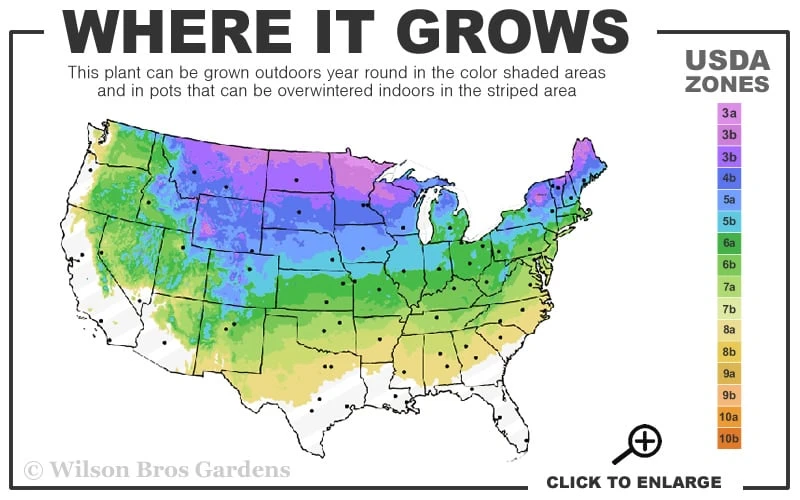
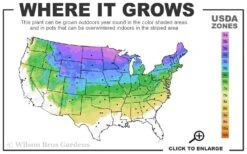
USDA Plant Hardiness Zones: 3a-8a (9 in cool-summer climates?) Find Your Zone
Plant Type: Herbaceous Perennial
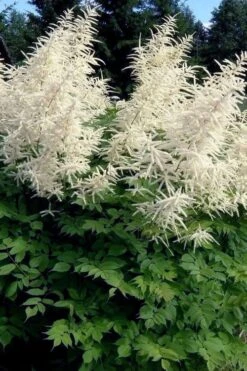
Height at Maturity: foliage 3-4′; 4-6′ in flower
Width at Maturity: 3-5′
Spacing: 3′ apart for mass plantings
Spacing: 3′ apart for mass plantings
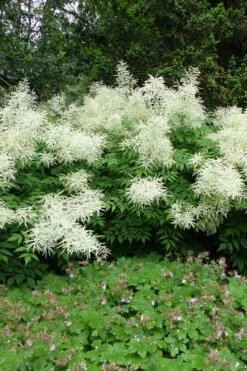
Growth Habit / Form: Upright Spreading Clump
Growth Rate: Moderate
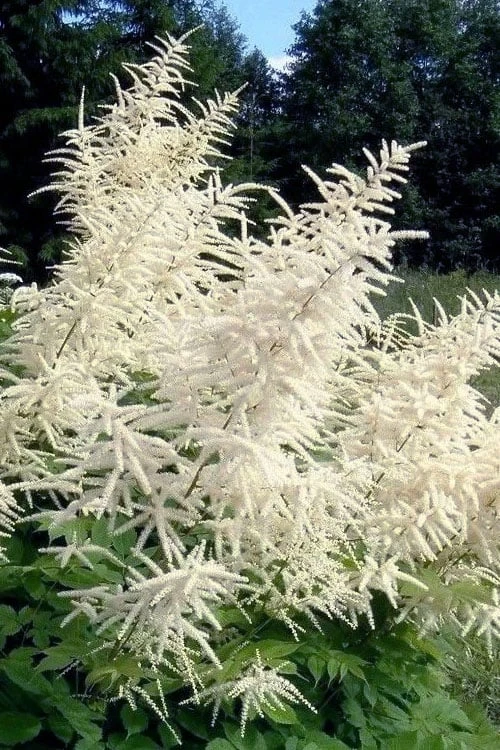
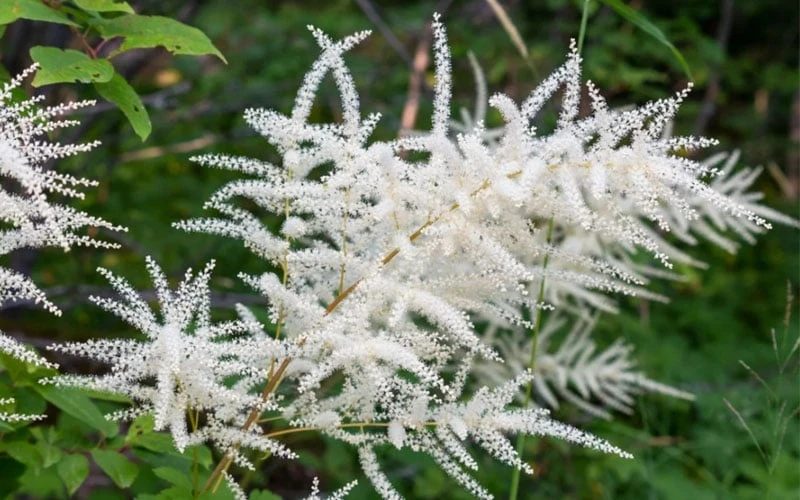
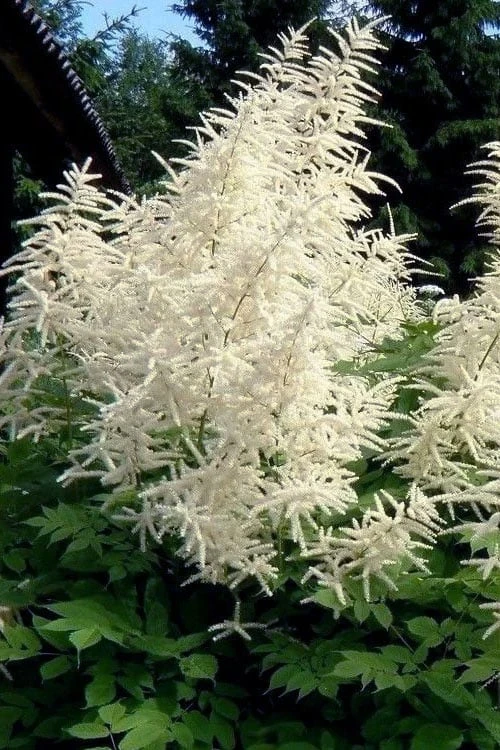
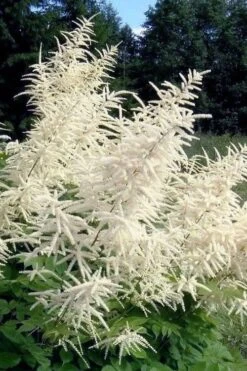
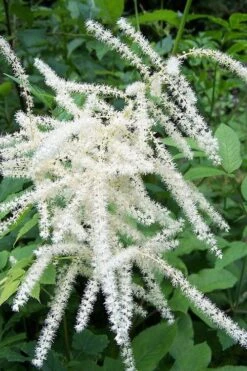
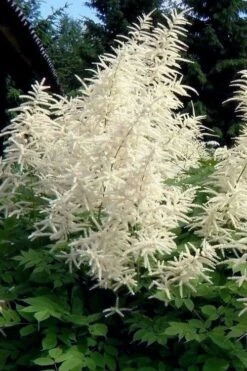
Flower Color: Cream White
Flower Type: Large sprays, panicles
Flower Size: Small in large panicles
Flowering Period: Late Spring to Early Summer
Flowering Period: Late Spring to Early Summer
Fragrant Flowers: No
Foliage Color: Green
Fragrant Foliage: No
Berries: No
Sun Needs: Full to Mostly Sun in consistently moist soil, Part Shade to Full Shade; Avoid direct afternoon sun in hot climates and unless the soil stays wet
Water Needs: Average
Soil Type: Clay (amend heavy clay), Loam, Silt
Soil Drainage: Moist But Well Drained to Consistently Moist
Soil pH: 5.5 – 7.5 (Moderately Acid to Moderately Alkaline)
Maintenance / Care: Low
Attracts: Visual attention
Resistances: Cold (-40F), Deer, Disease, Heavy Shade, Insect, Rabbit
Description
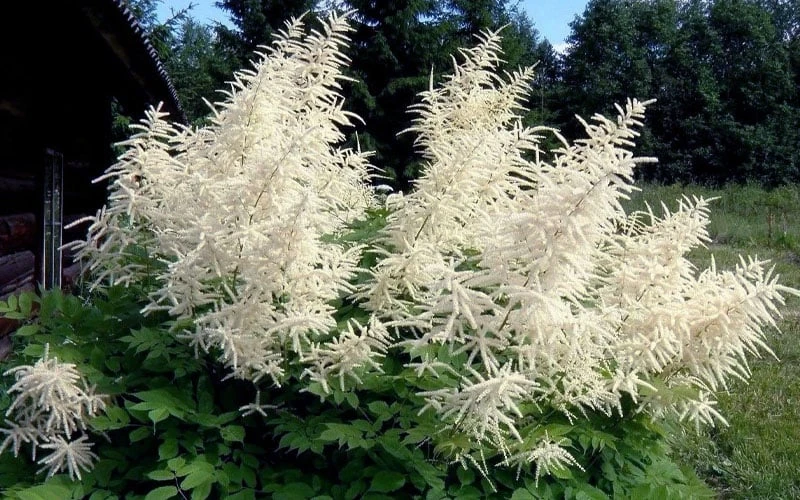
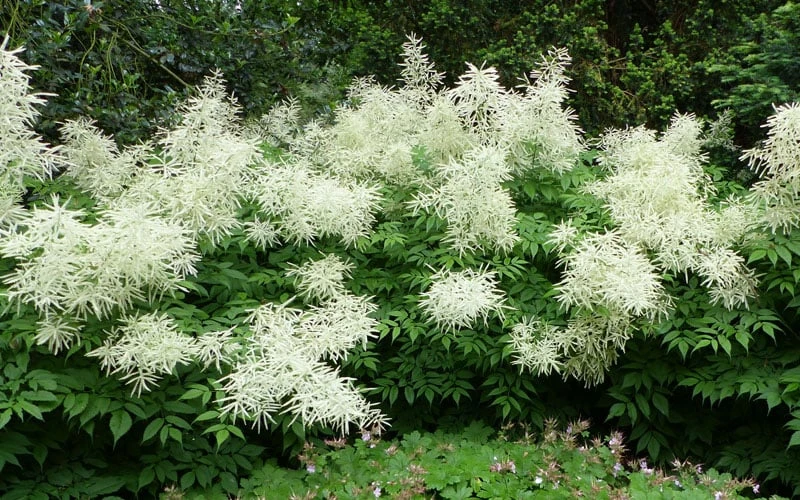
A very long-lived and easy-to-grow North American native perennial, Aruncus dioicus, commonly known as Goat’s Beard, is such a lovely and dependable flowering beauty that nurseryman and gardeners since the 1800’s have had nothing but praise for it. For those unacquainted with Goat’s Beard, it gradually spreads forming a clump of attractive, pinnately divided green leaves to 4 feet wide or so. In late spring to early summer immense plumes of white flowers, similar in appearance to those of Astilbe, put on an unrivaled flower show that will certainly get grab the attention of guests or passersby, not to mention the local butterflies. The flowers are also excellent for cutting and use in flower arrangements. In design, it is a spectacular accent in smaller garden spaces or in groupings or drifts in partially to fully shades garden and woodland borders. Though it might tolerate full sun with adequate moisture, it thrives and looks more at home in a shady to partially shaded environment. Over the years we’ve seen no serious problems with pests or disease and the deer and rabbits in our gardens turn their nose up to it. Much prettier that its name might suggest, Goat’s Beard is one of those plants that we think deserves a spot in every garden where it will grow (USDA Zones 3-8) and is one that’ll have you always looking forward to its bloom.
Wildlife Benefits
Aruncus is a larval host to Dusky Azure the caterpillars of which will appear from April to May. Adult Dusky Azure butterflies feed on flower nectar. Also attracts other beneficial pollinators.
Landscape & Garden Uses
Growing up to 6 feet tall in bloom and 4 feet wide over time, Goat’s Beard is ideal for use as an accent in smaller garden spaces or in small to large groupings where space allows. It serves as an excellent background to lower growing perennials in partially to mostly shaded spaces. Can also be grown in pots, planters and other containers. A fine addition to woodland gardens, cottage gardens, cut flower gardens, Zen gardens and butterfly gardens.
Suggested Spacing: 3 feet apart for mass plantings; 7 feet apart for space between plants
Growing Preferences
Goat’s Beard is very easy to grow in most any moist but well-drained to consistently moist soil in part to full shade. That said, established plants tolerate short periods of drought. Will tolerate full sun in cool-summer climates provided the soil stays consistently moist. Though not necessary, spent flowers can be snipped off if desired to enjoy the green color of leaves on this shrub-like plant for the rest of the season.
Helpful Tips
For helpful planting tips click on the Planting & Care Advice tab on this page.
Plant Long & Prosper!
Meet The Wilson Brothers & Staff
Questions? Contact Us!
Be the first to review “Goat’s Beard (Aruncus Dioicus) – 1 Gallon Pot”
Related products
Sale!
NATIVE PLANTS
Original price was: $79.97.$55.98Current price is: $55.98.
Sale!
Original price was: $28.71.$20.10Current price is: $20.10.
Sale!
NATIVE PLANTS
Original price was: $159.97.$97.99Current price is: $97.99.
Sale!
NATIVE PLANTS
Original price was: $99.97.$69.98Current price is: $69.98.
Sale!
NATIVE PLANTS
Original price was: $159.97.$98.99Current price is: $98.99.
Sale!
NATIVE PLANTS
Original price was: $39.97.$27.98Current price is: $27.98.
Sale!
NATIVE PLANTS
Original price was: $149.97.$98.99Current price is: $98.99.
Sale!
NATIVE PLANTS
Original price was: $73.85.$51.70Current price is: $51.70.
Reviews
There are no reviews yet.